Palmer Business Owners: Storing Equipment and Supply Overflows the Smart Way
Habib Ahsan
January 24th, 2026
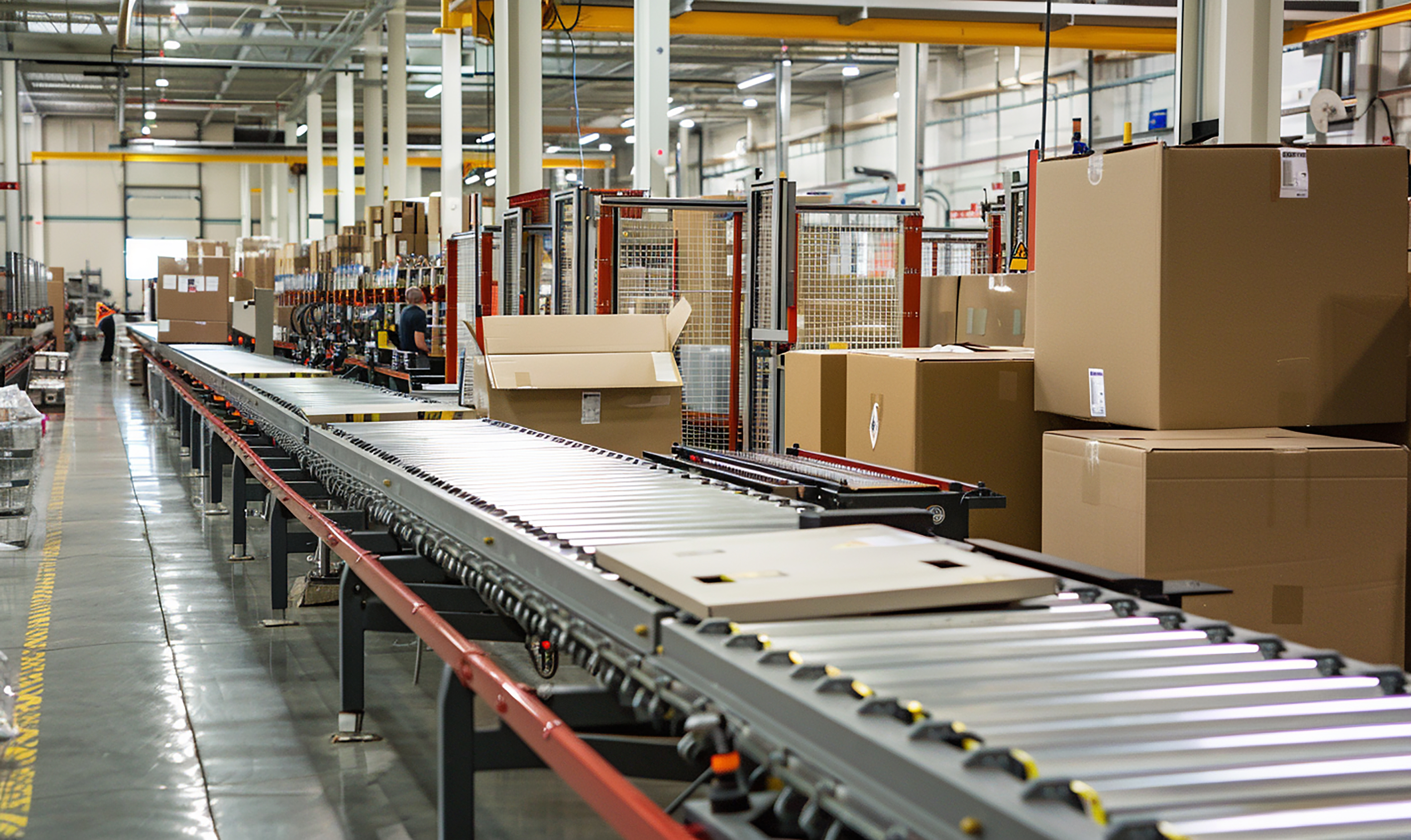
As businesses in Palmer, TX grow, equipment and supply overflow becomes unavoidable. Seasonal demand, new contracts, and bulk purchasing all create space problems fast. The challenge isn’t just where to put extra items—it’s how to store them so your business stays efficient, safe, and profitable. This guide explains what to store, how to store it, and how to turn storage into a business advantage instead of a burden.
Why Equipment & Supply Overflows Happen
Most Palmer businesses don’t plan for overflow—it simply arrives. Common causes include:
- Seasonal spikes in demand
- Short-term projects requiring extra tools
- Buying materials in bulk to save money
- Limited office, shop, or storefront space
When overflow ends up in hallways, garages, or job sites, it slows work, increases damage, and creates safety issues.
What Palmer Businesses Commonly Store
Contractor & Trade Equipment
These items take up space quickly and aren’t used daily:
- Power tools, compressors, generators
- Ladders, scaffolding, and safety gear
- Plumbing, electrical, and HVAC parts
Storing these off-site keeps workspaces clear and job prep faster.
Inventory & Consumable Supplies
Supplies pile up fast, especially during busy seasons:
- Packaging materials and shipping boxes
- Bulk raw materials or components
- Promotional or seasonal stock
Storage allows you to buy smart without overcrowding your business location.
Mobile Assets & Accessories
Often overlooked but essential:
- Tool trailers and utility carts
- Backup equipment and spare parts
- Trade show displays and branded materials
Dedicated storage keeps these items protected and ready when needed.
Choosing the Right Storage Type
Drive-Up Storage for Frequent Access
Best for tools and supplies used weekly or daily:
- Pull up, load, and go—no wasted time
- Ideal for contractors and service businesses
- Speeds up morning dispatch and job-site prep
Climate-Controlled Storage for Sensitive Items
Not all business items handle heat well:
- Electronics and control panels
- Paperwork, files, and records
- Specialty materials that warp or corrode
Climate control protects value and prevents costly replacements.
Outdoor Parking for Large Equipment
Perfect for items that don’t fit inside:
- Trailers and utility vehicles
- Oversized equipment
- Work trucks not used daily
Secure parking frees up office and job-site space.
How to Organize Storage for Business Efficiency
Layout That Saves Time
A messy unit costs money. Best practices:
- Create zones by project or job type
- Keep high-use items near the front
- Leave a clear walkway for fast access
- Stack vertically but keep weight balanced
Inventory Control That Actually Works
Simple systems prevent delays:
- Label bins clearly on multiple sides
- Group items by job, client, or category
- Use a basic digital list that matches unit layout
Knowing what you have—and where it is—reduces downtime.
Security & Access Matter for Businesses
Equipment loss hurts more than replacement costs—it stops work. Look for storage with:
- Gated access and cameras
- Well-lit areas for early or late visits
- Easy truck and trailer maneuvering
Reliable access keeps crews moving on schedule.
Why Storage Beats Expanding Your Facility
Commercial space is expensive and inflexible. Storage offers:
- Month-to-month flexibility
- Ability to scale up or down
- Lower cost than leasing more space
You pay only for what you need, when you need it.
Common Storage Mistakes to Avoid
Many businesses lose efficiency by:
- Overpacking units so items can’t be reached
- Mixing tools with inventory randomly
- Ignoring heat protection for sensitive items
- Storing equipment dirty or wet
Small mistakes lead to lost time and damaged assets.
Best Practices for Long-Term Business Storage
Before Storing Equipment
- Clean and dry all tools
- Remove batteries when possible
- Inspect for wear or damage
- Cover items to reduce dust buildup
Review and Adjust Regularly
- Check stored items quarterly
- Remove unused or outdated supplies
- Resize units as business needs change
Storage should evolve as your business does.
Final Thoughts: Storage as a Business Tool
For Palmer business owners, storage isn’t just extra space—it’s an extension of your operation. Well-managed storage:
- Improves workflow
- Protects valuable equipment
- Reduces clutter and safety risks
- Supports growth without overhead
When organized properly, storage saves time, protects assets, and helps your business run smoother every day.
Categories