
Palmer Residents: Long-Term Vehicle Storage and Battery Care Tips
Palmer Residents: Long-Term Vehicle Storage and Battery Care Tips
Habib Ahsan
February 13th, 2026
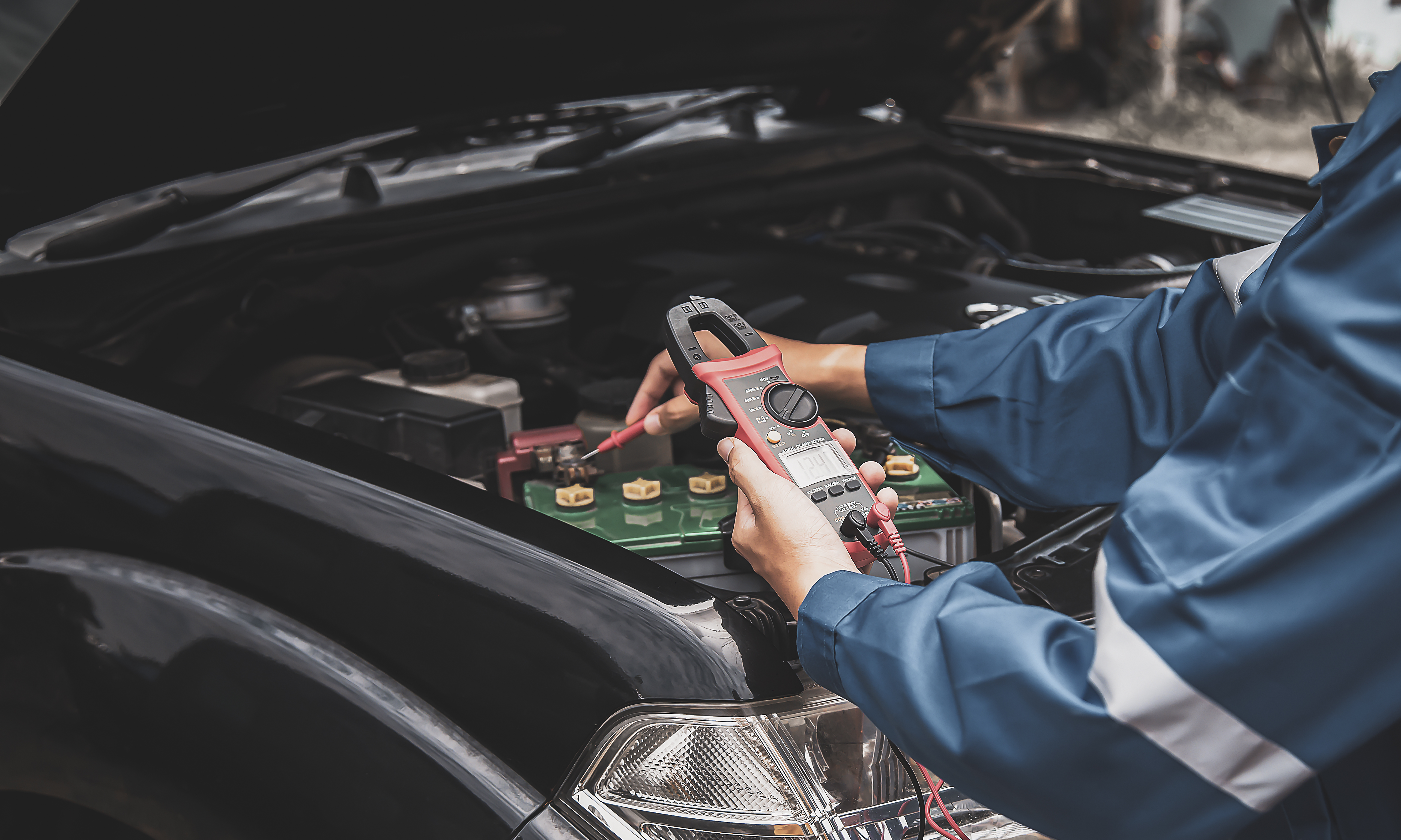
There are many reasons Palmer residents store vehicles long-term — seasonal travel, extra family vehicles, project cars, or extended work assignments. But when a vehicle sits unused for weeks or months, small issues can turn into costly repairs. The good news: with the right preparation — especially battery care — your vehicle can stay in good condition while stored.
Why Long-Term Storage Affects Vehicles
Vehicles are designed to be driven regularly. When they sit unused, several things happen. Common storage-related issues include:
- Tire pressure loss and flat spots
- Fluids settling or breaking down
- Brake surface rust from moisture
- Battery discharge
In Texas, heat speeds up battery wear, making preparation even more important.
Preparing Your Vehicle Before Storage
A little preparation prevents long-term damage.
Clean the Vehicle First
Before storing:
- Wash the exterior to remove dirt and residue
- Clean the interior to prevent odors
- Remove trash and food items
Clean vehicles are less likely to attract pests or develop stains.
Check Fluids and Fuel
Before long-term storage:
- Check oil, coolant, and brake fluid levels
- Fill the fuel tank to reduce condensation
- Add fuel stabilizer if storing for several months
These steps protect the engine and fuel system.
Battery Care: The Most Important Step
Vehicle batteries naturally lose charge over time. Heat accelerates this process.
Disconnecting the Battery
For longer storage periods:
- Disconnect the negative battery terminal
- Prevent slow electrical drain
- Protect battery life
This is one of the simplest ways to avoid battery failure.
Using a Battery Maintainer
If power access is available:
- Use a battery maintainer or trickle charger
- Keep the battery charged safely
- Extend battery lifespan
Maintainers are especially helpful for storage longer than a few months.
Choosing the Right Storage Environment
Where you store your vehicle matters.
Outdoor Storage Tips
- Use a breathable vehicle cover
- Park on level, well-drained ground
- Avoid parking under trees
These steps reduce weather and debris damage.
Covered or Indoor Storage Benefits
Covered storage helps:
- Reduce heat exposure
- Protect paint and rubber components
- Improve battery performance during storage
Less exposure means fewer maintenance issues later.
Tire and Brake Protection
Preventing Tire Damage
Before storage:
- Inflate tires to recommended pressure
- Move the vehicle occasionally if possible
- Use tire supports for extended storage
This prevents flat spots from forming.
Brake Care
For long-term storage:
- Avoid leaving the parking brake engaged
- Expect light rust that clears after driving
- Inspect brakes before returning to regular use
This keeps braking systems working safely.
Monthly Storage Check Routine
Even when stored, vehicles benefit from quick inspections. Check monthly:
- Battery charge level
- Tire pressure
- Fluid leaks
- Signs of pests
If possible, start the vehicle occasionally and let it reach operating temperature. Avoid short engine runs that don’t fully warm the vehicle.
Getting the Vehicle Ready to Drive Again
Before returning the vehicle to regular use:
Battery Check
- Clean battery terminals
- Reconnect cables securely
- Test battery charge
Safety Inspection
- Check tires and brakes
- Confirm fluid levels
- Test lights and electronics
A quick inspection prevents surprises on the road.
Common Long-Term Storage Mistakes
Avoid these problems:
- Leaving the battery connected for months
- Storing with low fuel levels
- Ignoring tire preparation
- Using airtight vehicle covers
- Skipping inspections
Most storage issues are preventable with simple habits.
Final Thoughts: Protect Your Vehicle While It’s Stored
For Palmer residents, long-term vehicle storage doesn’t have to mean future repairs. With proper preparation — especially battery care — your vehicle can stay ready to drive when you need it again.
Categories